
July 2026
Gender in Quilting // Amateur vs Artist // A New Quilt Finish
I’m three weeks into my pre-cataract-surgery-glasses-only life1, and I’m happy to report that it’s been mostly okay! There’ve been good days and bad days. Days when living in a world of blurry softness is rather enjoyable, and others where it’s intensely uncomfortable and exhausting just trying to see something clearly.
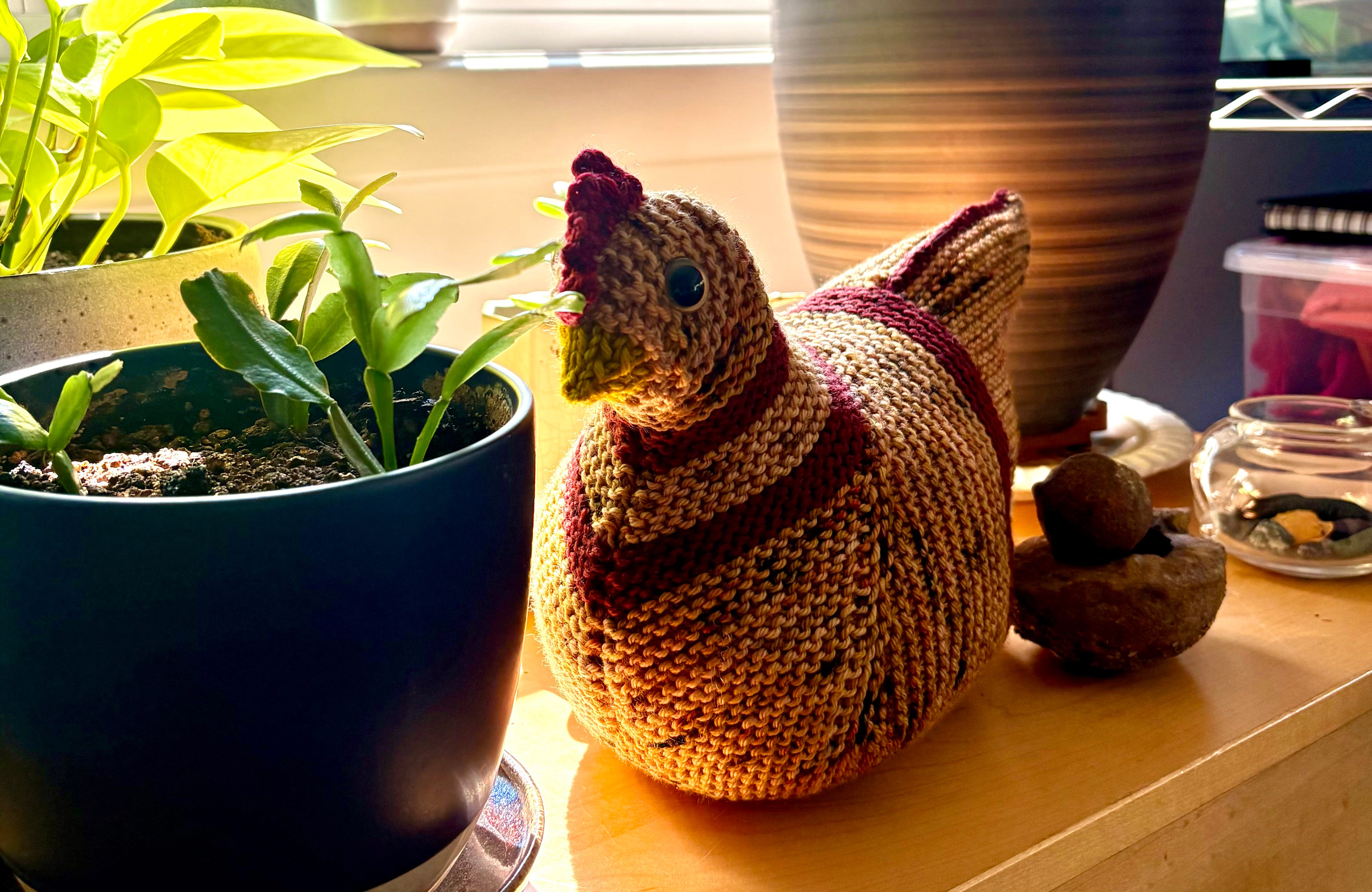
Knitting has been my go-to this month because it’s close-in, well within my focal range. It’s nice to have another kind of hand work to fall back on when your main craft gets sidelined. I can still sew, but knitting is decidedly more comfortable. I have a good friend who I’ve been knitting with on and off for more than 20 years and we just spent a lovely, lazy afternoon knitting on her deck. She made me the emotional support chicken above. It’s ridiculous how much I love how it watches me all day long, peaking out from behind a potted plant.
I’m also reading more than usual. Right now I’m working my way through the lesser-known short novels of Willa Cather. They all pack a quiet punch in the roundabout way she has of getting to deep truths. I love how unromantic she is about people! Most of the love stories in her books are either with art or nature, not other human beings. One evening, after finishing Sapphire and the Slave Girl (that one needs a trigger warning for sure), I wasn’t ready to turn out the light so I read through the author chronology at the back of the book. I rarely read these chronologies but this time I’m glad I did.
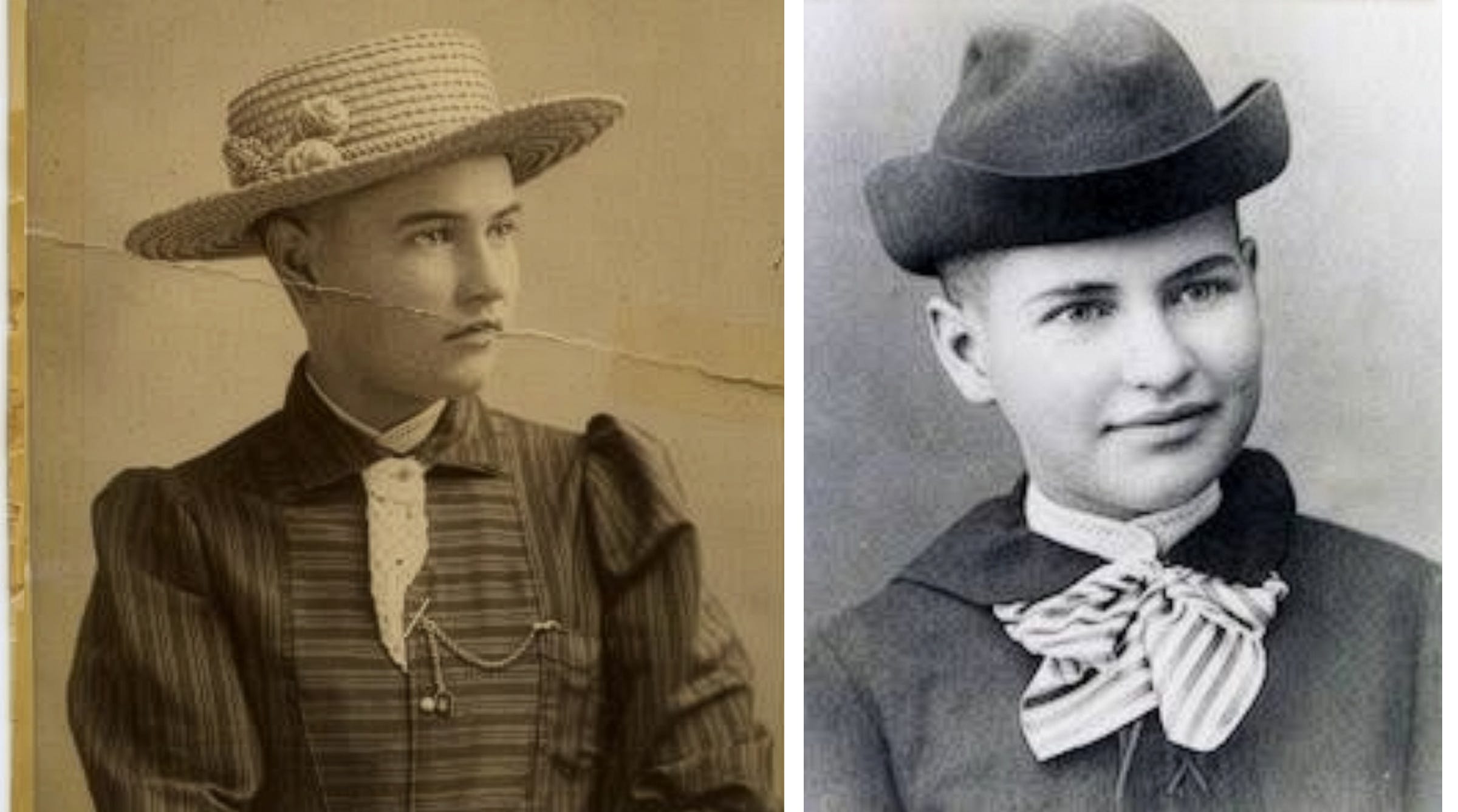
Did you know that when Willa was in high school in Red Cloud, Nebraska, she cropped her hair short, adopted masculine clothes, and went around calling herself ‘William’2 And that she did this for four years until she went to college? In some ways it’s not all that surprising if you know about her subsequent life and her ‘Boston’ marriage3 to Edith Lewis, but what really struck me was this: Apparently no one in her 1880s rural Nebraskan community cared all that much. This feels remarkable from the vantage point of our current world filled with hysteria over gender and men and women’s proper ‘roles’.4 Weird to think it was less of a thing back then. Just Willa being William.
Gender in Quilting
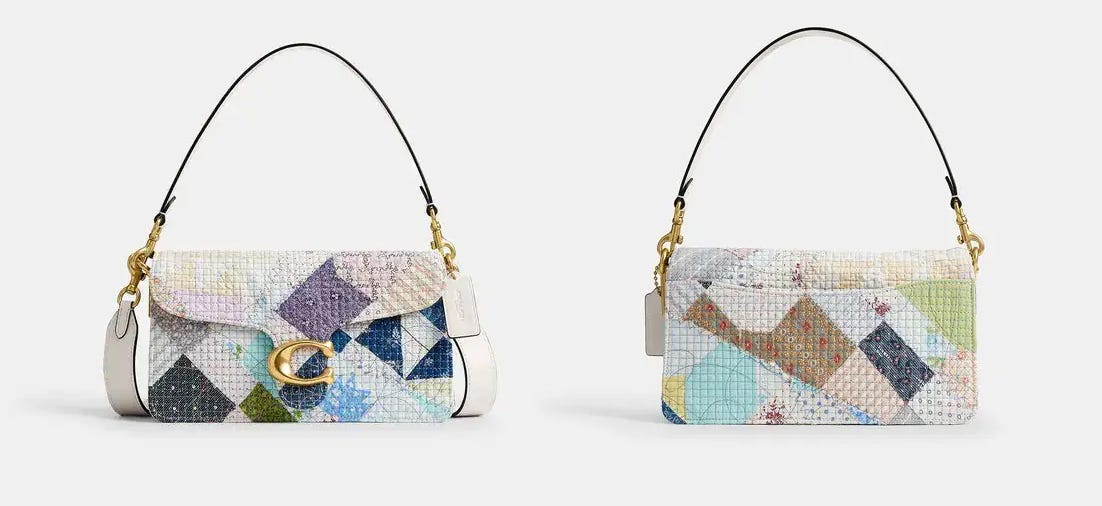
Earlier this month, LUKE Haynes (this is how he presents his name, not some weird myopic typo) announced on Instagram that he’d collaborated with Coach to create a limited edition handbag using his quilted fabric5. My first reaction was surprise and delight—yay LUKE! yay for quilted things in high fashion!—followed almost immediately by tinge of disappointment that Coach had chosen a male quilter.
I’m okay admitting this, even though it’s petty, because I think it comes from a real place—women after all, make up the bulk of quilters and this was a huge opportunity. However, I also admit that I know absolutely nothing about the process Coach used in their selection so I’m just happy they chose quilting for their material.
As if in answer to my initial pique, the podcast Check Your Thread6 showed up to also check my bias. The host, Zoe Edwards, interviews British sewist Tony Rea about making sewing accessible to everyone, but specifically to men, and how much it’s helped build community in the more rural areas of England. He’s funny and joyful and even though it’s not about quilting, it’s worth a listen. I came away feeling like, yes please! let’s have more men stitching things.
Michael James’s most recent essay also popped into my inbox this month like yet another missive from the universe to help shape my thinking about gender and quilting. James, a groundbreaking quilter, wrote about how, even though he was instrumental in the development of the art quilt movement of the 70s and 80s, he was left out of the current retrospective at the International Quilt Museum. He wonders if this is because he’s male and the curators, who admittedly had limited space, wanted to focus more on the women in that movement. If that’s so, then it’s deeply unsettling. Retroactive re-writing of history to align with contemporary worldviews can lead to people’s contributions being lost. It’s especially bad if it feels inconvenient to include them because of race or gender.
James writes:
What does it mean that a straight white man, though hardly a conventional American “man’s man,” became prominent in a field historically linked with women’s domestic labor and mostly amateur production? It was made possible by talent and labor, certainly, but also by societal structures that frequently, if not usually, granted men disproportionate seriousness, legitimacy, revenue, and mobility.
While he admits that he got more attention because of his gender, he also believes that it was his talent and hard work that actually made him a success, and I agree. While there’s a lot to unpack in this quote, I was also struck by his use of the word “amateur” to describe what presumably was happening before the art quilt movement entered the scene, bringing with it centuries of art theory, critique, judgement, and yes, professionalism.
This, it turns out, is much more interesting than the gender of the quilt maker.
Amateur vs Artist
This shift towards ‘art’ in quilting was at the core of the art quilt movement. Trained artists like Nancy Crow and Michael James brought the concepts of value and tone, foreground and background, classic color theory, and more to the craft of quilting. I presume this was to elevate what was viewed as mere craft into art.
By the early 2000’s, the quilts of Gees Bend were ‘discovered’ and their work was shown at the Whitney Museum and many other formal art venues.7 Their quilt designs blew the contemporary art world’s minds. It was so remarkably fresh and modern and unexpected. But the women who made those quilts were not formally-trained artists deploying art theory in their work but highly-skilled artisans making the useful thing beautiful. They were ‘amateurs’ in James’ sense, like all the millions of women who came before them.
Did they need art theory to make their quilts into art? No, they didn’t. I admit that I’m biased towards the genius of the amateur. Often, the really interesting parts of a quilt come from the make-do tradition of substituting a color or a pattern when you run out, rather than carefully selecting your fabrics like paints from a tube. This creative flexibility seems to me to be baked into the very essence of the medium, regardless of whether the design is traditional or improv.
The art quilt movement also preferred form over function. The work was meant to be displayed like a painting on the wall rather than something to use on a chilly evening. Please don’t get me wrong: I’m not saying there is anything wrong with this! But I do wonder when you lose the functionality, why bother to continue to call them quilts at all?
Maybe it’s the term ‘art quilt’ itself that’s the issue. Maybe it’d be better to use the term ‘textile art’ instead? Students of Nancy Crow are already moving away from the word ‘quilt’ with their cooperative gallery in New York, which just calls itself the Textile Art Gallery NYC. Major shows like Quilt National are revising their definition of what makes something a ‘quilt’ from the traditional three layers to two.
Why stop there? Why bother with the layers at all? Why not just have textiles be the container? If what you’re making is art and not a functional object, then why link it to a centuries-old domestic craft? I don’t think quilts need the be ‘elevated’, I think they’re amazing just as they are.
There’s always been a lot of teeth-gnashing over the question of whether quilting is a craft or an art. Perhaps it’s time to just move on. Craft is not less-than. While dedicated to tradition and functionality, it can sometimes also be so exquisitely made as to be valued as art, the same way all crafts can make that leap. But a mediocre quilt or basket or pot can still be perform its function.
I leave you with this quote from an unnamed quilter talking about a quilt she’d made many years prior when her family was young. It resonates so deeply with my own experience making quilts.
“My whole life is in that quilt. It scares me sometimes when I look at it. All my joys and all my sorrows are stitched into those little pieces. When I was proud of the boys and when I was downright provoked and angry with them. When the girls annoyed me or when they gave me a warm feeling around my heart. And John, too. He was stitched into that quilt and all the thirty years we were married. Sometimes I loved him and sometimes I sat there hating him as I pieced the patches together. So they are all in that quilt, my hopes and fears, my joys and sorrows, my loves and hates. I tremble sometimes when I remember what that quilt knows about me.” —The Standard Book of Quilt Making and Collecting by Marguerite Ickis (1949)
In the Studio
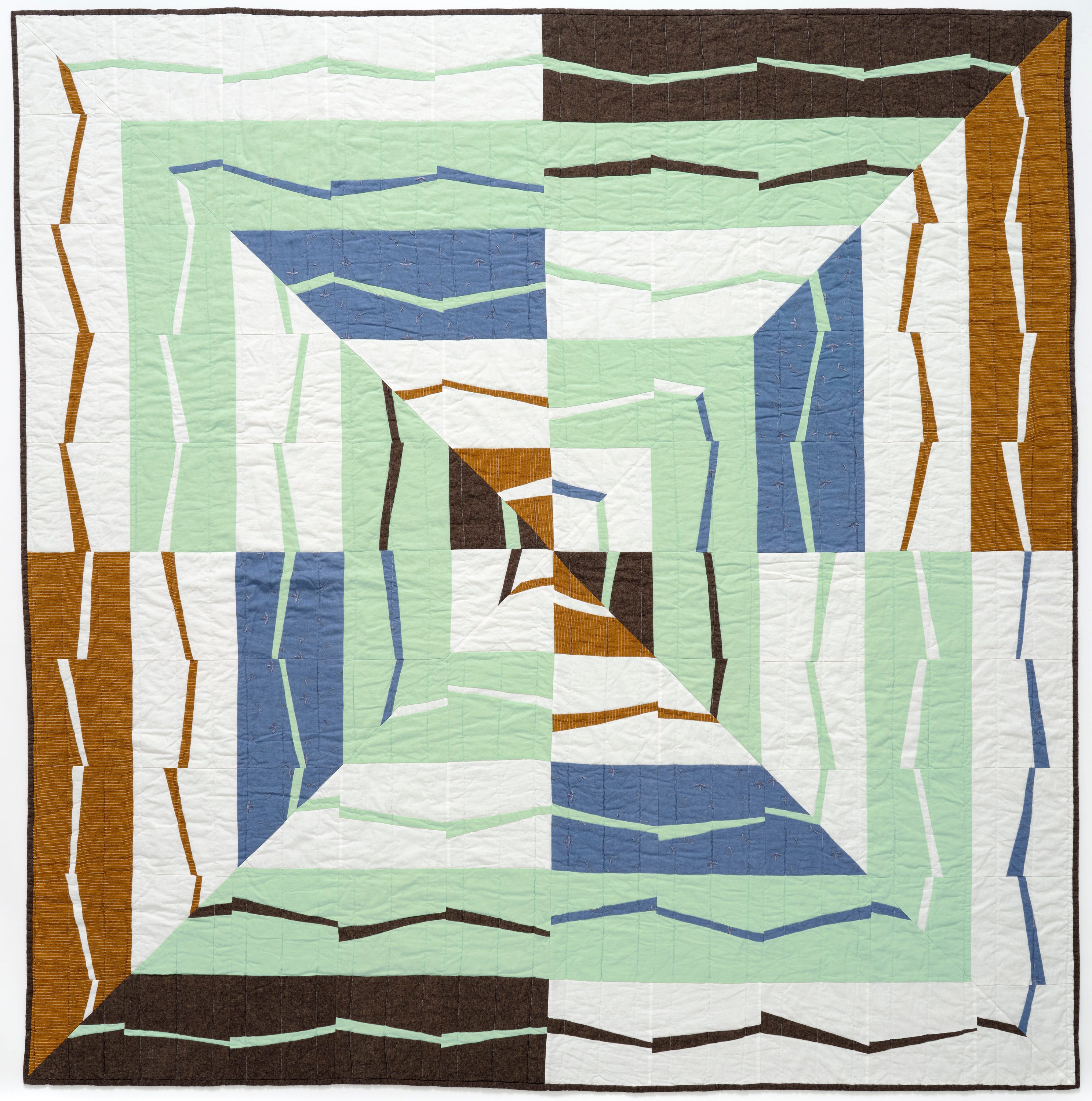
I’ve already blathered on quite a lot so I’ll just mention that I finally finished the third quilt in my ‘sibling’ series after it sat for a long time on my sewing table and I’m so happy with how it turned out.
I have one more of these sibling quilts to make and at first I thought the last one would be smaller but now I’m not so sure. Somehow the pain of quilting an 88 x 88 inch quilt fades once it’s done.
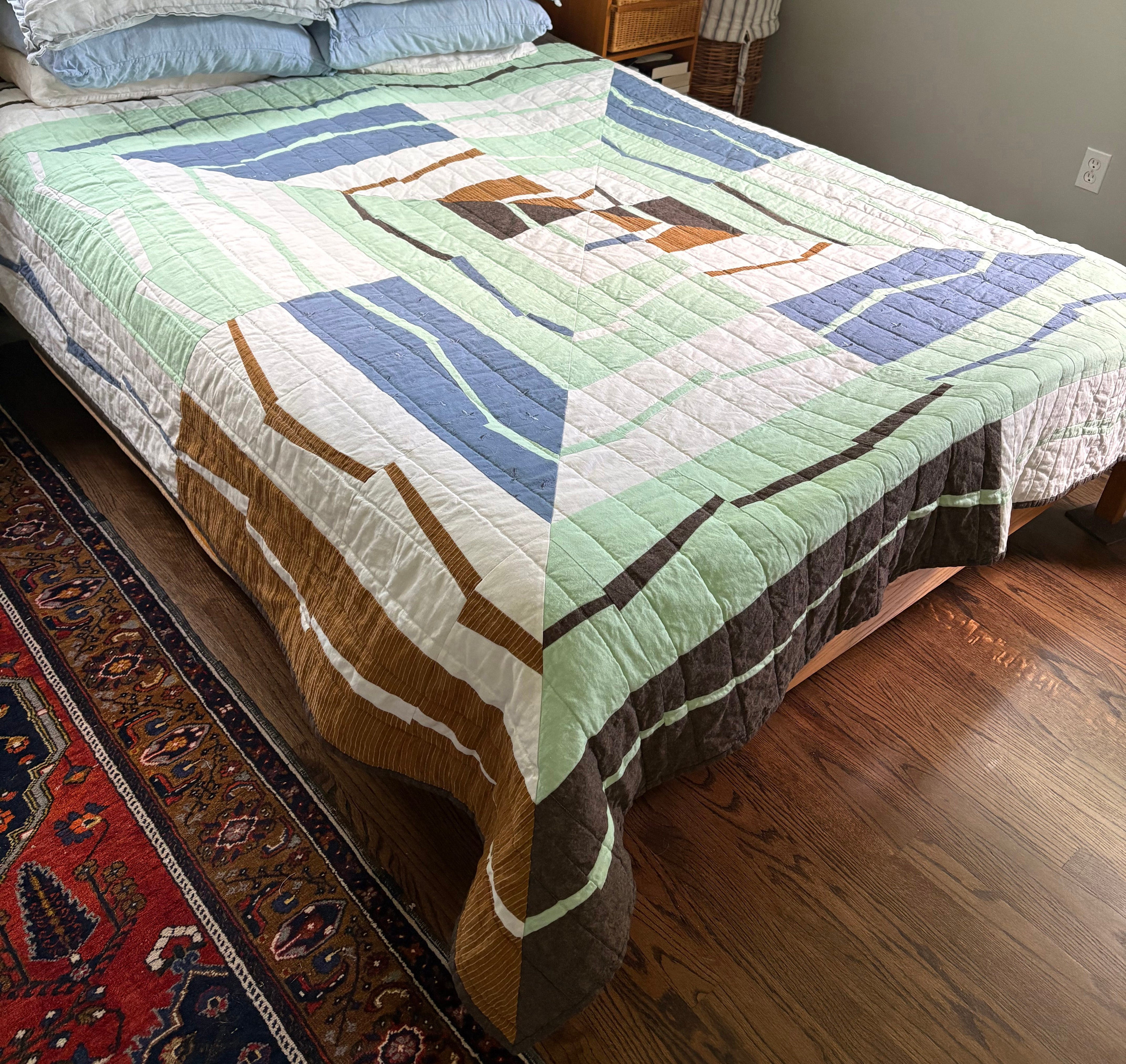
Here it is on the bed. It’s going be so lovely to sleep under in the winter with its fluffy wool batting.
Did I get things wrong in my musings about gender and craft vs art? Tell me in the comments! I always welcome kindly, thoughtful discourse and admit my thinking can get muddled at times.
Keep on keeping on 🐸,

If you’d like to support my work, you can do so by:
Liking this post so Substack shares it;
Leaving a comment (I always answer them);
Sharing it by email or on social media;
Subscribing monthly or for the low yearly cost of only $30;
or you can just buy me a coffee.
Full biography of Willa Cather: https://www.willacather.org/about/willa-cather-biography
Here’s a definition of what a “Boston Marriage” is — not necessarily sexual but prevalent enough to need a name.
A gift article from the New York Times about a nothing-burger of incident in a public bathroom in Idaho that led to hysteria about ‘the safety of women in bathrooms” and a change in legislation.
So many interesting and thoughtful ideas. I think you're really hitting on the reality that many things can be true -- and even conflicting -- in various situations. Sometimes men are favored because they're men, sometimes they are dismissed. Sometimes it really matters how we label and defines things, sometimes it doesn't. Thanks for putting all this into words.
Lots of interesting thoughts here, I think a lot about the 'art quilt issue'. Here in the UK the Contemporary Quilt group, part of the Quilters Guild of Great Britain and Ireland, has renamed itself Contemporary Textiles.
For my recent BA in Textiles Practice my final written work asked the question, what is the difference between a quilt and a banner? I concluded a piece of work could be a quilt and a banner. Why does it need to be identified as anything? It is what it is, but it does have to have two layers to be judged in the Festival of Quilts.